

Every hair colour on the shelf asks you to accept a trade. You get the shade you want, and in exchange you accept the sting of ammonia, a list of ingredients you cannot pronounce, and a faint sense that you are doing something to your hair rather than for it.
Most people accept that trade because the alternative — going grey on someone else’s timeline — feels worse. Keshkalini exists because we did not think that was the only choice available.
The problem was never the colour. It was the trade.
Covering grey is not a vanity problem. It is an ordinary one, and it arrives for almost everyone eventually. What makes it frustrating is not the grey itself but the narrowness of the options: a chemical box that works quickly and asks you not to read the back, or a traditional powder that is gentler but leaves you with copper instead of black.
Neither of those is a good answer. One works but is opaque. The other is honest but does not do the job.
The tradition already had the answer. Nobody had made it usable.
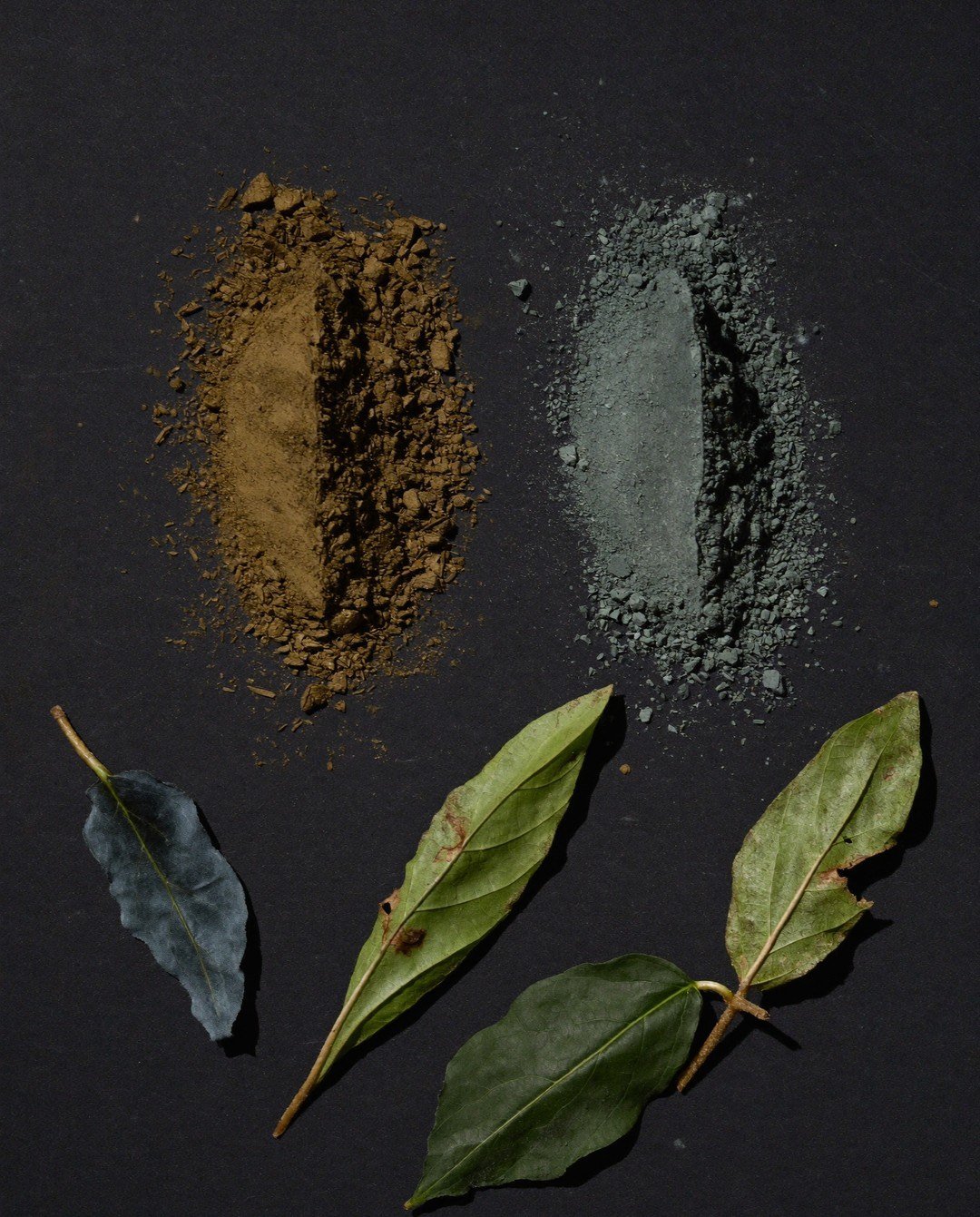
Here is the thing that surprises people: the solution has existed for centuries.
Henna alone gives red-brown — that is why so many people have tried it once and given up. But henna with indigo laid over it gives black. Blue pigment over a red base is what your eye reads as natural black. That combination is old. It is documented. It is not a discovery.
What did not exist was a version an ordinary person could use at home, in an afternoon, with predictable results and an ingredient list short enough to read. The knowledge was there. The product was not.
What we decided it had to do
Keshkalini was built around a small set of constraints, and every decision since has been checked against them.
Nine ingredients, and the list ends at nine
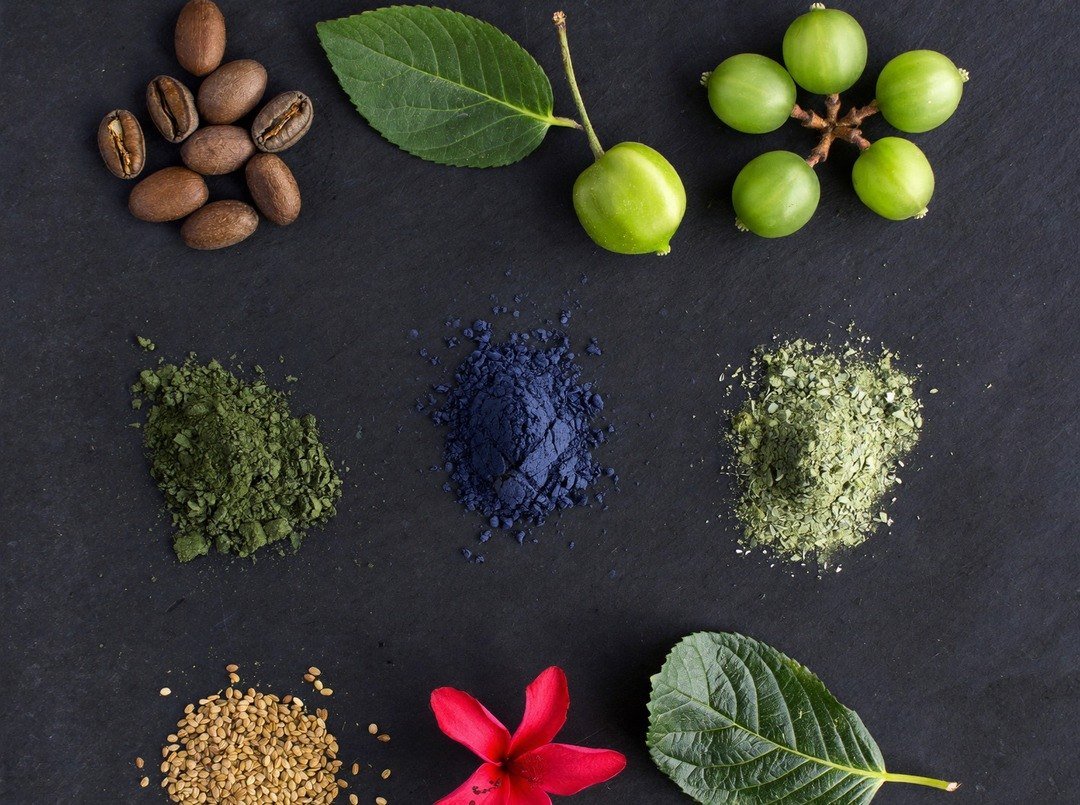
Henna, indigo, amla, bhringraj, hibiscus, fenugreek, shikakai, reetha and coffee. Every one of them has a job — henna lays the base, indigo brings the black, amla stops the red going brassy, and the rest come from the traditional cleansing and hair-care lineage. Nothing is in there to lengthen the list.
No ammonia and no chemical dyes
That sharp smell when you open a conventional box is ammonia doing a job: forcing the cuticle open so dye can get inside quickly. Take it out and you lose the speed. We decided the speed was the thing worth giving up.
Formulated by doctors who still see patients
Dr Rucha Mehendale Pai is a practising Ayurvedic doctor. She still sees patients every week. The formula was written by doctors who practise, and our name sits on the front of the pack — which is a different kind of accountability from a brand that exists only as a label.
Keshkalini Natural Black — nine herbs, no ammonia, no chemical dyes. 100% grey coverage, unisex, all hair types. 40g at ₹399.
What we decided not to do

This part matters more than the product description, and it is the part most brands leave out.
We do not tell you it is quick
It takes about two to two and a half hours, most of it waiting. Rest the paste 30 to 40 minutes, leave it on 60 to 90 minutes, rinse with plain water the first time. We could shorten those numbers in the copy and sell more packs to people who would then be disappointed. We would rather tell you before you buy.
We do not promise thirty days
It holds twenty to twenty-five days, about four to five washes. Wash your hair often and you will be at the shorter end. Twenty-five is the honest number, so twenty-five is the number we print.
We tell you the first round will look lighter
Herbal colour layers rather than arriving all at once. On stubborn grey the first application often reads softer than you hoped, and the second goes deeper. More people give up at that exact moment than at any other — which is precisely why it belongs in our own marketing rather than buried in a review.
We do not make claims we cannot stand behind
There are things we could say that would sell better. We have deliberately not said them. What is printed on the pack is what we are willing to defend, and nothing beyond it appears in our advertising, our posts or these articles.
What it is now
One product, one shade, sold direct. Natural Black, 40g, ₹399, for men and women, on every hair type. We would rather do one thing properly than a range of things approximately.
If you have tried herbal colour before and been let down by it, the articles below are the ones worth reading first — they cover the two mistakes that account for most disappointing results, and neither of them is the product’s fault.
Start here. Give it two rounds before you judge the shade — that is the honest advice, from the people who made it.
Read next: what each of the nine herbs actually does, why grey hair refuses to hold colour, and five things people get wrong about herbal colour.
Patch test 48 hours before use. For external use only.